Overview
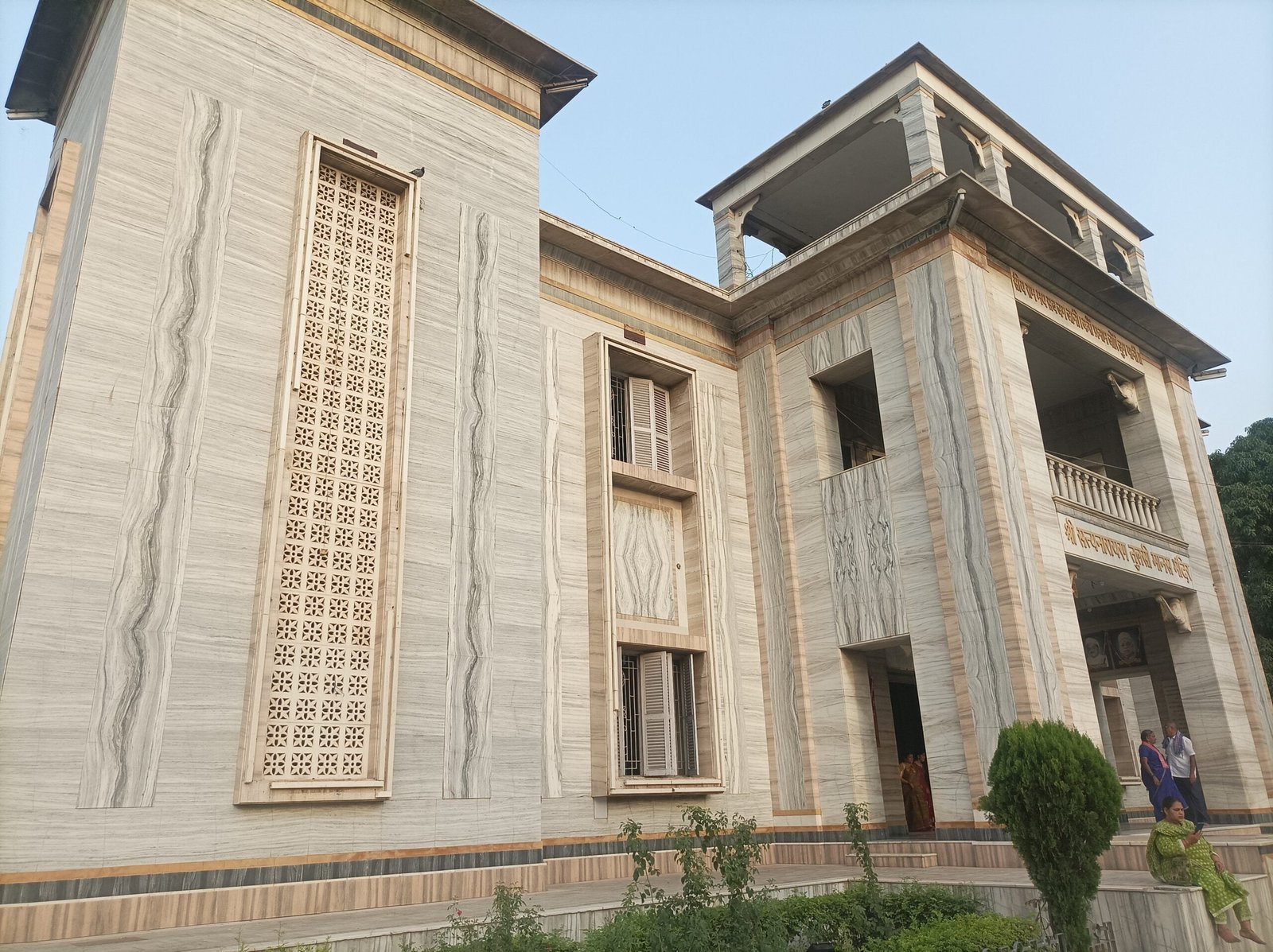
In the heart of Varanasi, where the air is thick with incense and the sound of temple bells, lies a sanctuary that offers a unique break from the city's chaotic energy: Shri Satyanarayan Tulsi Manas Mandir. A beautiful temple dedicated to Lord Rama and celebrates the timeless epic of the Ramcharitmanas, authored by Goswami Tulsidas in the 16th century. Unlike the ancient, narrow-alleyed temples Kashi is famous for, Tulsi Manas is a spacious, marble marvel that feels like a living book.
Distance to Tulsi Manas Mandir & How to Reach
Located in the Durgakund area, it is easily accessible from all major points in Kashi.
From Varanasi Junction (BSB): 6 km (Approx. 25 mins by auto-rickshaw).
From Assi Ghat: 1.5 km (A pleasant 10-minute e-rickshaw ride).
From BHU Main Gate: 1.3 km (5 mins).
History of Tusli Manas Mandir
Built in 1964 by the Sureka family of Kolkata, the temple marks a spot of immense cultural significance. It is widely believed to be the exact location where the 16th-century poet Goswami Tulsidas composed the Ramcharitmanas—the Awadhi version of the Ramayana.
Before this masterpiece, the Ramayana was written primarily in Sanskrit, accessible only to scholars. By writing it in the local dialect here, Tulsidas brought the divine story of Lord Rama to the masses, forever shaping the spiritual identity of India.
What to Expect: A Walk Through the Ramayana
When you enter Tulsi Manas Mandir, you aren't just visiting a temple; you are walking through a book.
The Inscribed Walls: The entire Ramcharitmanas is engraved on the white marble walls.
The Shikhara Architecture: A beautiful example of modern Hindu architecture featuring clean lines and serene gardens.
The Animated Puppet Show: On the upper floor, don't miss the mechanical dioramas depicting scenes from the Hindu epics—a huge hit for families and kids.
Tulsi Manas Mandir Timings & Entry Fee
To make the most of your visit, keep these timings in mind:
Morning: 5:30 AM – 12:00 PM
Evening: 3:30 PM – 9:00 PM
Aarti: 6:00 AM (Morning) and 7:00 PM (Evening).
Entry Fee: FREE (A nominal fee of ₹5–₹10 applies for the upper-floor museum).
Things to Do
Read the Marble Verses: Take a slow walk along the inner walls to admire the calligraphy of the Chaupayees and Dohas.
Attend the Aarti: The morning and evening Aarti ceremonies are deeply moving and less crowded than the riverfront rituals.
Explore the Museum: View rare editions of the Ramayana and historical artifacts.
Meditate in the Garden: The temple grounds are significantly quieter than the main city.
Photography: Capture the stunning white marble exterior.
Nearby Attractions
Maximize your day by visiting these spots located within walking distance:
Durga Kund Mandir (2 mins walk): The famous red-stone temple dedicated to Goddess Durga.
Sankat Mochan Hanuman Temple (10 mins walk): A powerful spiritual center founded by Tulsidas himself.
Tridev Temple (5 mins walk): Famous for its beautiful carvings and serene atmosphere.
Visitor Tips
Best time to visit: Morning (7:00–10:00 AM) or late afternoon (4:00–6:30 PM) to avoid crowds.
Visit during Saawan: If you visit during the monsoon (July–August), the temple hosts a special month-long puppet exhibition that is a local favorite.
Dress modestly: Like all religious sites in Varanasi, it is respectful to wear clothing that covers shoulders and knees.
Photography: Allowed in the courtyard; respect interior sanctum rules.
Footwear: You will need to remove your shoes at the entrance. There is a designated shoe-stand available for a small tip.
Combine visits: Perfect to pair with Sankat Mochan Temple, Durga Kund, Assi Ghat, and a food/heritage walk.
Maintain Silence: The temple is a place of study and meditation; keeping your voice low is appreciated.
Accessibility: Wheelchair access limited; most areas require walking through temple courtyards.
Guided insight: Hiring a local guide can enhance understanding of the murals and stories.